How to tell if your drywall damage is from a roof leak
Roof leaks leave tell-tale signs on drywall: brown rings, bubbling paint, and stains that grow after rain. Here's how Fountain Hills homeowners can tell the difference.
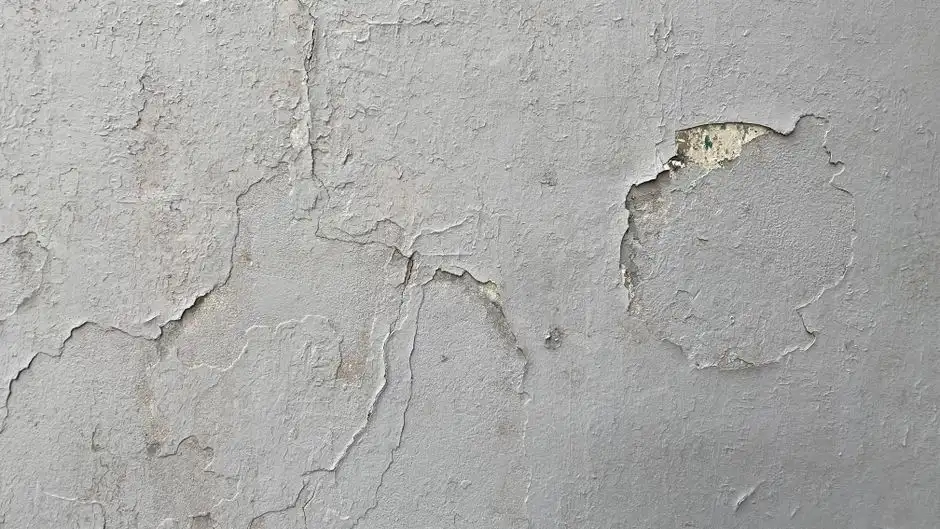
If your drywall damage is from a roof leak, you will typically see brown or yellow water stains on the ceiling or upper walls, bubbling or peeling paint, and a musty smell that gets worse after it rains. The damage usually appears near exterior walls, roof valleys, or chimney penetrations - not in the middle of a room. In Fountain Hills, where summer monsoon storms and winter rains hit hard, roof leaks are one of the most common causes of ceiling drywall damage we see.
This guide walks you through how to tell a roof leak from a plumbing leak, what the damage looks like at each stage, and when it's time to call a Drywall contractor to repair the mess. We'll also cover what roof leak drywall repair costs in Fountain Hills in 2026 and the mistakes that turn a small patch into a full ceiling replacement.
How to tell if your drywall damage is from a roof leak: the short answer
How to tell if your drywall damage is from a roof leak Fountain Hills AZ comes down to three clues: location, timing, and pattern. Roof leaks show up on ceilings or high on walls, usually within 3 to 6 feet of an exterior edge, roof valley, or vent pipe. They get worse after rain. And they leave a distinct pattern - a brown ring with a darker center, often called a "tea stain," that grows outward over weeks.
Plumbing leaks, by contrast, tend to appear near bathrooms, kitchens, or laundry rooms. They drip constantly, not just after storms. And they often leave white mineral deposits or a greenish tint from copper pipe corrosion.
If you're not sure which you're dealing with, here's a quick checklist:
- Location: Ceiling or upper wall near the roof edge = likely roof leak. Under a bathroom or kitchen = likely plumbing.
- Timing: Damage grows after rain = roof leak. Damage is constant or worse when fixtures run = plumbing.
- Color: Brown or yellow rings = roof leak. White chalky residue or green stains = plumbing.
- Smell: Musty, earthy odor = roof leak (mold in insulation). Sewer or chemical smell = plumbing.
One more clue: if the drywall feels soft or spongy when you press it, the leak has been active long enough to saturate the paper facing and gypsum core. That's a sign you're past the "wait and see" stage.
What does roof leak drywall damage look like in Fountain Hills?
Roof leak drywall damage in Fountain Hills looks different depending on how long the leak has been running. In the first week or two, you might only see a faint discoloration - a light tan or pale yellow patch that's easy to miss in a dimly lit hallway. By week three or four, that patch darkens to a brown ring with a defined edge. Paint starts to bubble or peel. The drywall may feel slightly soft.
After a month or more, the damage is unmistakable. The drywall sags. You might see dark black or greenish mold spots. The paper facing separates from the gypsum core. In severe cases, the ceiling actually collapses - usually in a 2-foot by 2-foot section where the drywall has lost all structural integrity.
Here's what we tell homeowners to look for, in order of severity:
- Stage 1 (early): Faint yellow or tan stain, no texture change. Repair cost is low - often just a patch and repaint.
- Stage 2 (moderate): Brown ring, bubbling paint, slight softness. Requires cutting out the damaged section and replacing it.
- Stage 3 (advanced): Sagging, mold, crumbling drywall. Needs full section replacement plus mold treatment.
If you're seeing Stage 2 or 3 damage, it's time to bring in a drywall water damage repair Fountain Hills AZ specialist. We can assess whether the drywall can be patched or needs to come down.
Roof leak vs plumbing leak drywall damage Fountain Hills
Roof leak vs plumbing leak drywall damage Fountain Hills is a distinction that matters because the repair approach is completely different. A roof leak means you need a roofer first, then a drywall contractor. A plumbing leak means you need a plumber first, then drywall repair.
Here's how to tell them apart without tearing into the ceiling:
- Roof leak: Damage appears after rain, usually within 24 to 48 hours. Stains are brown or yellow. Located near roof edges, valleys, or vents. Often accompanied by attic moisture or damp insulation.
- Plumbing leak: Damage is constant or worsens when fixtures are used. Stains may be white, green, or clear. Located under bathrooms, kitchens, or laundry rooms. You might hear dripping when the house is quiet.
- HVAC leak: Damage appears during cooling season (May-September in Fountain Hills). Stains are clear or light brown. Located near air handler or duct runs. Often accompanied by high humidity indoors.
One trick: put a piece of aluminum foil under the drip overnight. If the foil has water on top, it's a roof or plumbing leak. If the foil is dry on top but wet underneath, it's condensation from an HVAC issue.
If you've ruled out plumbing and HVAC, and the damage is on an exterior-facing ceiling, you're almost certainly dealing with a roof leak. That's when you call a roofer - and then us for the drywall ceiling repair Fountain Hills AZ.
The rain test: confirming a roof leak in Fountain Hills, Arizona
The rain test is the simplest way to confirm a roof leak without climbing on the roof. Wait for a steady rain - not a sprinkle, but a 30-minute soaking. Then check the suspect area every 30 minutes for new moisture.
If the stain darkens, the drywall feels damp, or you see a new drip, you've confirmed a roof leak. If nothing changes after two or three rain events, the leak may be intermittent - often caused by wind-driven rain that only enters at certain angles. Fountain Hills gets plenty of those during monsoon season (July-September), when storms can push water sideways into roof penetrations.
For intermittent leaks, we recommend a water test with a hose. Have someone spray the roof in one section at a time while you watch the ceiling inside. Start low on the roof and work your way up. This isolates the entry point without needing a roofer on the roof in the rain.
If you're not comfortable on a ladder or roof, don't do this yourself. Call a professional. We work with several roofers in Fountain Hills who can do the water test safely and then hand off the drywall repair to us.
Why Fountain Hills homes are prone to roof leak drywall damage
Fountain Hills homes are prone to roof leak drywall damage because of three local factors: intense sun, monsoon storms, and the age of many roofs. The average roof in Fountain Hills is 15 to 20 years old. At that age, flashing around chimneys, vents, and skylights starts to fail. The sealant cracks. The metal rusts. Water finds a way in.
Then there's the sun. Fountain Hills gets over 300 days of sunshine per year, with summer highs regularly topping 105°F. That UV exposure breaks down asphalt shingles and roof sealants faster than in milder climates. A roof that would last 25 years in the Midwest might only last 15 to 18 years here.
Monsoon season adds the final stress. From July through September, Fountain Hills can get 1 to 2 inches of rain in a single storm. That water hits a roof that's already been baked by months of sun. The result is a sudden, heavy leak that shows up as a brown stain on your ceiling the next morning.
We see this pattern constantly in neighborhoods like Eagle Mountain Drywall contractor - homes built in the 1990s and early 2000s that are now on their second or third roof, with original drywall that's been patched multiple times. If your home is in that age range, it's worth checking your attic after every major storm.
What to watch out for: common mistakes homeowners make
The biggest mistake homeowners make with roof leak drywall damage is painting over it. Paint hides the stain for a few weeks, but the leak is still active. The moisture keeps feeding mold inside the wall cavity. By the time the stain reappears, the damage is three times worse - and the repair cost has tripled.
Here are the other mistakes we see:
- Ignoring a small stain. A 2-inch brown ring can mean a 2-foot section of wet insulation behind it. The stain is just the visible tip.
- Cutting out the drywall before fixing the roof. If you patch the drywall first, the next rain will just re-soak it. Fix the roof first, then repair the drywall.
- Using a fan and calling it dry. A fan dries the surface, but the gypsum core and insulation stay wet for weeks. You need a moisture meter to confirm it's dry.
- Skipping mold treatment. If the drywall has been wet for more than 48 hours, mold is likely growing. Patch over it and you'll be dealing with a health issue later.
One more: don't assume your insurance will cover it. Most policies cover sudden roof leak damage, but not damage from neglected maintenance. If your roof is 20 years old and you've never had it inspected, the adjuster may deny the claim. Document everything - photos, dates, receipts - before you call.
When to call a professional
Call a professional when the stain is larger than 6 inches, when the drywall feels soft or sagging, or when you smell musty odors. Those are signs the leak has been active for weeks and the damage has spread beyond what you can see.
At TexturePeak Solutions, we handle the drywall side of roof leak repair in Fountain Hills. We cut out the damaged section, treat any mold, replace the drywall, and match the texture so the repair disappears. We don't do roofing - but we work alongside roofers every week and can recommend someone if you need a roof repair first.
If you're dealing with a ceiling that's actively leaking, call us for emergency drywall contractor Fountain Hills AZ service. We can tarp the area, contain the damage, and get you on the schedule for repair as soon as the roof is fixed.
How much does roof leak drywall repair cost in Fountain Hills AZ?
Roof leak drywall repair in Fountain Hills costs $350 to $1,200 for most residential jobs in 2026, depending on the size of the damaged area and whether mold treatment is needed. A small patch (under 2 square feet) runs $350 to $500. A medium repair (2 to 8 square feet) runs $500 to $850. A large repair (over 8 square feet, often requiring a full ceiling section) runs $850 to $1,200 or more.
Those prices include cutting out the damaged drywall, replacing it, taping, mudding, and matching the texture. Painting is usually extra - $150 to $400 depending on the ceiling height and whether the whole ceiling needs a fresh coat to blend.
If mold is present, add $200 to $600 for treatment and encapsulation. If the leak has been active for months and the insulation is saturated, add another $300 to $500 for insulation replacement.
We give upfront pricing before we start. No surprises. If the job turns out to be smaller than we thought, we adjust the price down. That's how we've built our reputation in Fountain Hills.
Frequently Asked Questions
How do I know if my drywall damage is from a roof leak in Fountain Hills AZ?
Look for brown or yellow stains on ceilings or upper walls, especially within 6 feet of an exterior edge. If the stain grows after rain, it's a roof leak. If it's constant, it's likely plumbing. A musty smell and soft drywall confirm the leak has been active for weeks.
What does roof leak drywall damage look like in Fountain Hills?
Early damage looks like a faint tan or yellow patch. Moderate damage shows a brown ring with bubbling paint. Advanced damage includes sagging drywall, black mold spots, and a crumbling texture. The stain typically grows outward from a single point over 2 to 4 weeks.
Can roof leak drywall damage be repaired in Fountain Hills, Arizona?
Yes. Most roof leak drywall damage can be repaired by cutting out the affected section, treating any mold, and replacing the drywall. The key is fixing the roof first. If you patch the drywall before the roof is repaired, the next rain will re-soak it.
How much does roof leak drywall repair cost in Fountain Hills?
Typical 2026 pricing in Fountain Hills runs $350 to $1,200 for most residential repairs. Small patches start around $350. Large ceiling sections with mold treatment can reach $1,200 or more. Painting and insulation replacement are usually extra.
Can I just paint over the water stain?
No. Painting over a water stain hides the symptom but not the cause. The leak keeps feeding moisture into the drywall and insulation, and mold continues to grow. The stain will reappear within weeks, and the repair cost will be higher because the damage has spread.
Get help with Drywall contractor in Fountain Hills
If you've got a brown stain on your ceiling and you're not sure whether it's a roof leak or something else, we can help. TexturePeak Solutions repairs drywall damaged by roof leaks across Fountain Hills - from small patches to full ceiling replacements.
Call us at (480) 878-1652 to schedule an inspection. We'll tell you what we see, what it'll cost, and whether you need a roofer first.